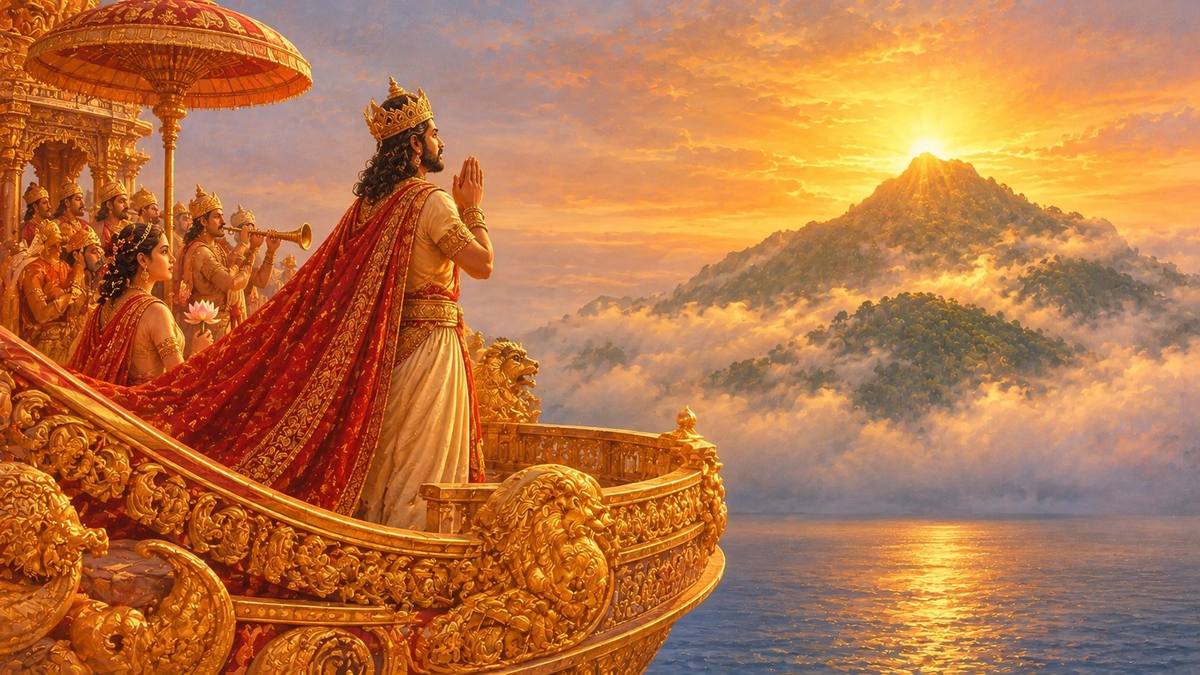
In the Ramayana, Ravana is a warrior king. But in a Buddhist sutra read across Asia for centuries, he appears in a different light — a king seeking truth, who invites the Buddha to come to Lanka.
The Lankavatara Sutra
📖 In literatureLankavatara means “the descent into Lanka”. It is one of the most important sutras of Mahayana Buddhism. The sutra says the Buddha taught it on the summit of Mount Malaya in Lanka.
🏺 Evidence existsAccording to the Sri Lankan scholar Professor Asanga Tilakaratne, the sutra is generally believed to have been compiled between 350 and 400 CE. In 443 CE the monk Gunabhadra translated it into Chinese.
Ravana’s invitation
📖 In literatureAfter teaching for seven days in the ocean palace of the naga king Sagara, the Buddha rises from the sea. Seeing the city of Lanka on the peak of Mount Malaya, he smiles — for the Buddhas of the past taught this same truth in this very place.
📖 In literatureHearing his voice, Ravana comes to the Buddha in the Pushpaka chariot with apsaras, yakshas and learned men. He praises the Buddha in song and invites him to Lanka, saying the young people of Lanka long to learn the Dharma.
📖 In literatureThe Buddha accepted the invitation. Ravana offered jewelled garlands to him and to the monks.
The illusory Lankas
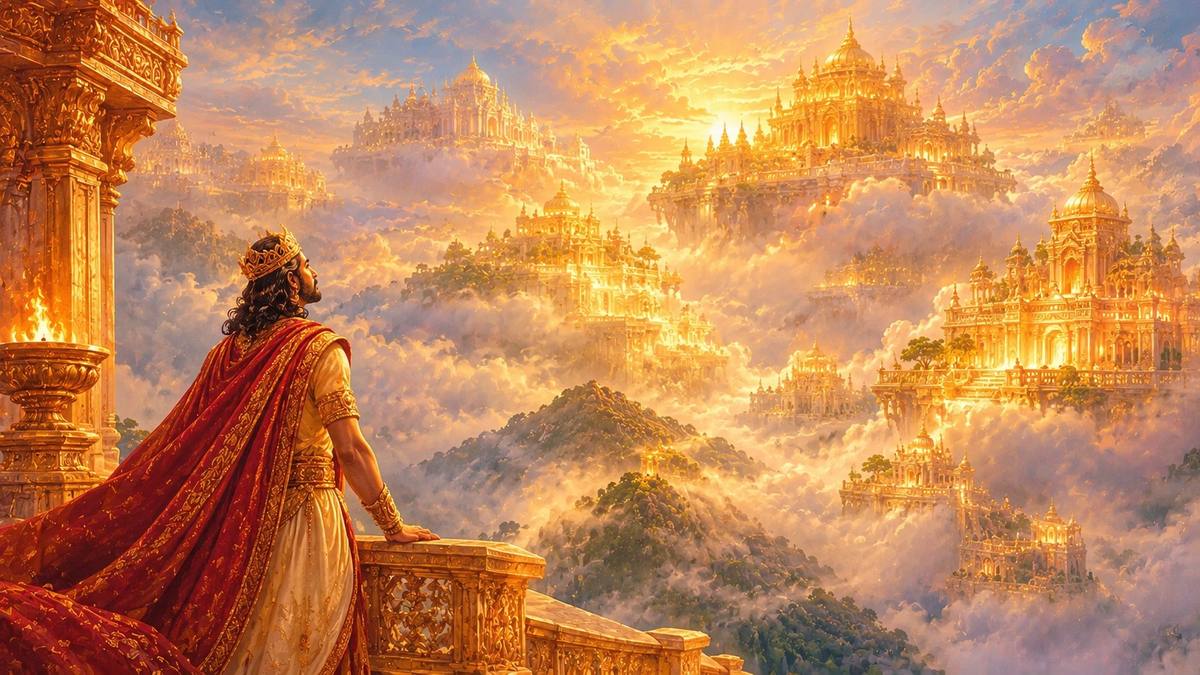
📖 In literatureDuring the teaching, the Buddha made many cities of Lanka appear. The next moment they all vanished, and Ravana was left alone in his palace.
📖 In literatureIn that moment Ravana understood that the world we see is largely the creation of our own mind. This is the heart of the sutra: understanding the nature of the mind.
Ravana in China and Japan
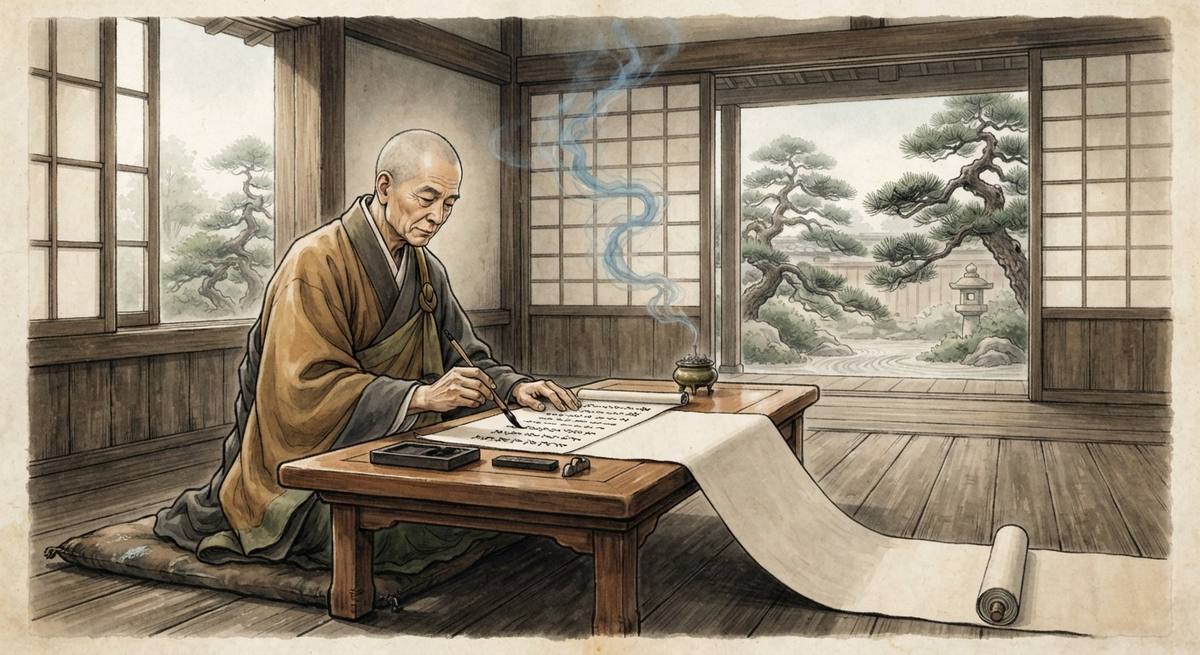
🗣️ In folkloreTradition says Bodhidharma, regarded as the founder of Chinese Zen (Chan), handed Gunabhadra’s translation to his disciple Huike. And so this sutra became a foundational text of Zen Buddhism.
🏺 Evidence existsIn 1932 the Japanese scholar D. T. Suzuki translated the sutra into English. Its first chapter is titled “Ravana, Lord of Lanka, Asks for Instruction”. For centuries, monks in China, Japan and Tibet came to know Ravana’s name through this sutra.
Sri Pada — Mount Malaya?
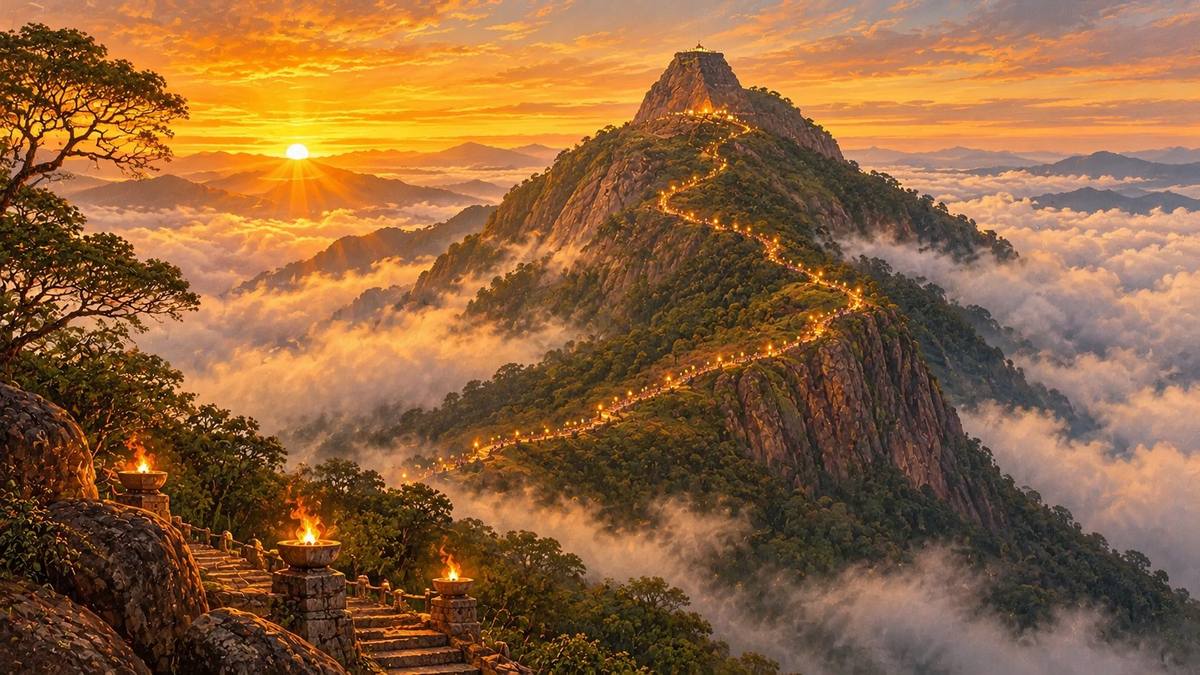
❓ DebatedSeveral Buddhist encyclopedias identify the sutra’s Mount Malaya as Sri Pada (Adam’s Peak).
📖 In literatureIn the Theravada tradition, on his third visit to Lanka the Buddha came to Kelaniya and left his sacred footprint on Sri Pada.
One mountain, two traditions. Sri Lanka’s holiest mountain is linked to two Buddhist stories.
Ravana in Tibet
🗣️ In folkloreIn one Tibetan tradition, the Buddha taught the Lankavatara Sutra to Ravana and blessed him and his queen as wisdom protectors of the Dharma.
What we should know
❓ DebatedThe oldest Chinese translation of the sutra (443) does not contain the Ravana chapter. So many scholars consider that chapter a later addition.
Yet this takes nothing away from the story. For many centuries Buddhists across Asia saw Ravana as a king who invited the Buddha and sought the truth.
Not two kings, one Ravana
In the Ramayana, Ravana is a mighty warrior. In the Lankavatara, he is a devoted seeker of the Dharma. Both are our Ravana.