The Ravana story lives not only in books but in this island’s rocks, caves, waterfalls and temples. Here are six places to see on your next journey.
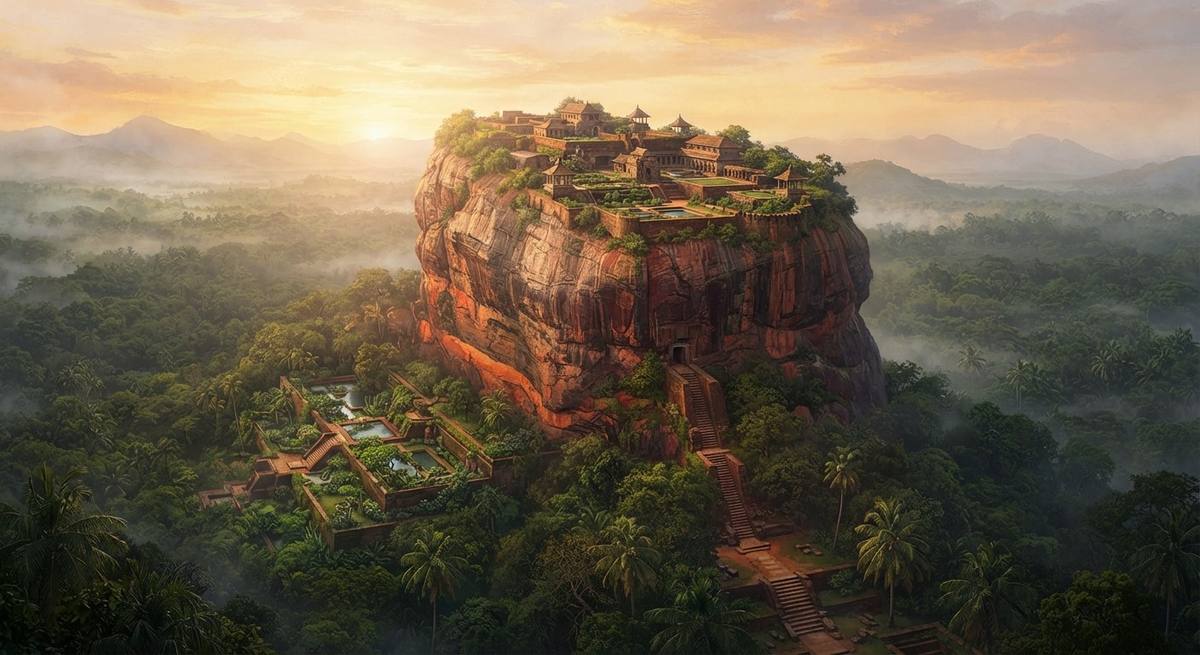
Sigiriya
🗣️ In folkloreMany people today believe Sigiriya was Ravana’s palace.
🏺 Evidence existsAccording to the Culavamsa, King Kashyapa (477–495 CE) built the palace on top of the rock. Since 1982 Sigiriya has been a UNESCO World Heritage Site.
Whatever the story, what Sri Lankans built on that rock 1,500 years ago still amazes the world.
Ravana Cave, Ella
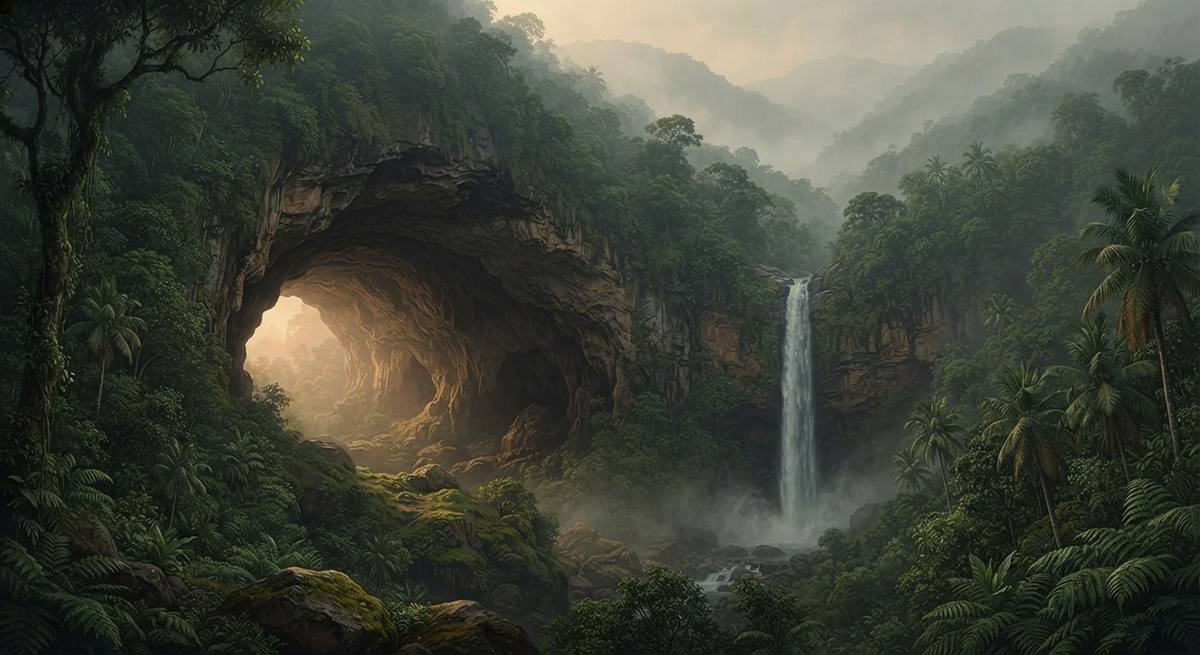
🗣️ In folkloreLegend says this is the cave where Ravana hid Sita.
🏺 Evidence existsExcavations in this cave, about 1,370 m above sea level, found signs of human life from around 22,000–25,000 years ago. It was a home to some of this island’s earliest people.
Ussangoda
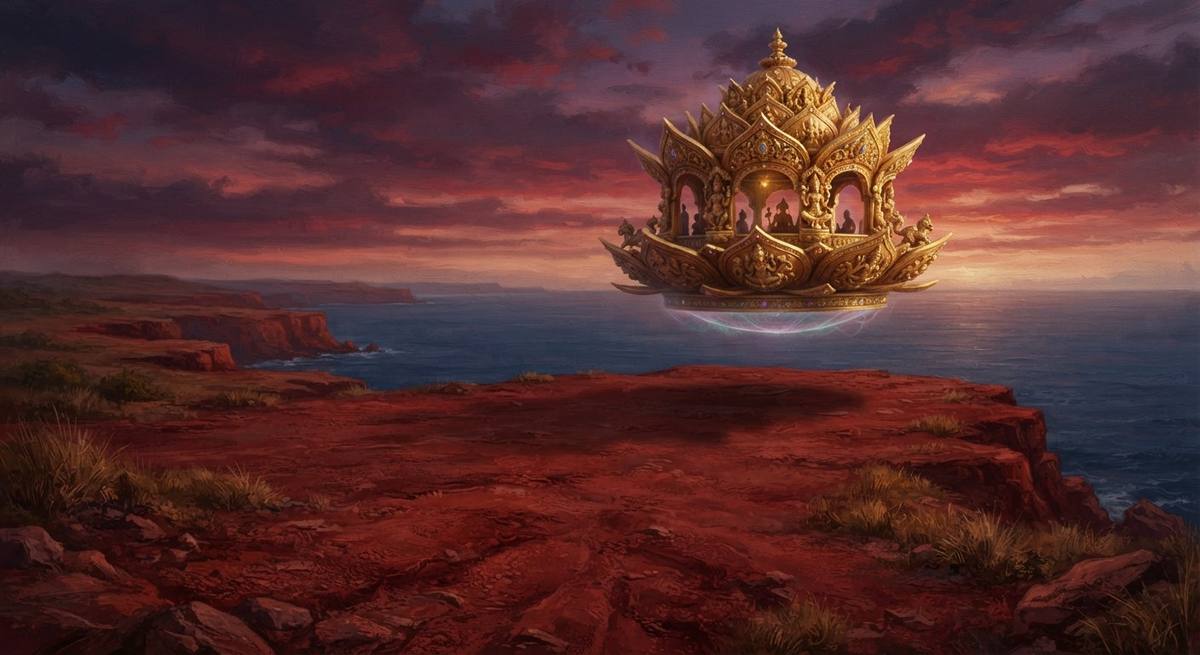
🗣️ In folkloreOne story says Ravana’s vimana landed here. Another says the soil turned red when Hanuman set Lanka on fire.
🏺 Evidence existsUssangoda is one of only four places in Sri Lanka with serpentine soil. Its heavy metals keep trees from growing. It has been a national park since 2010.
Sita Eliya
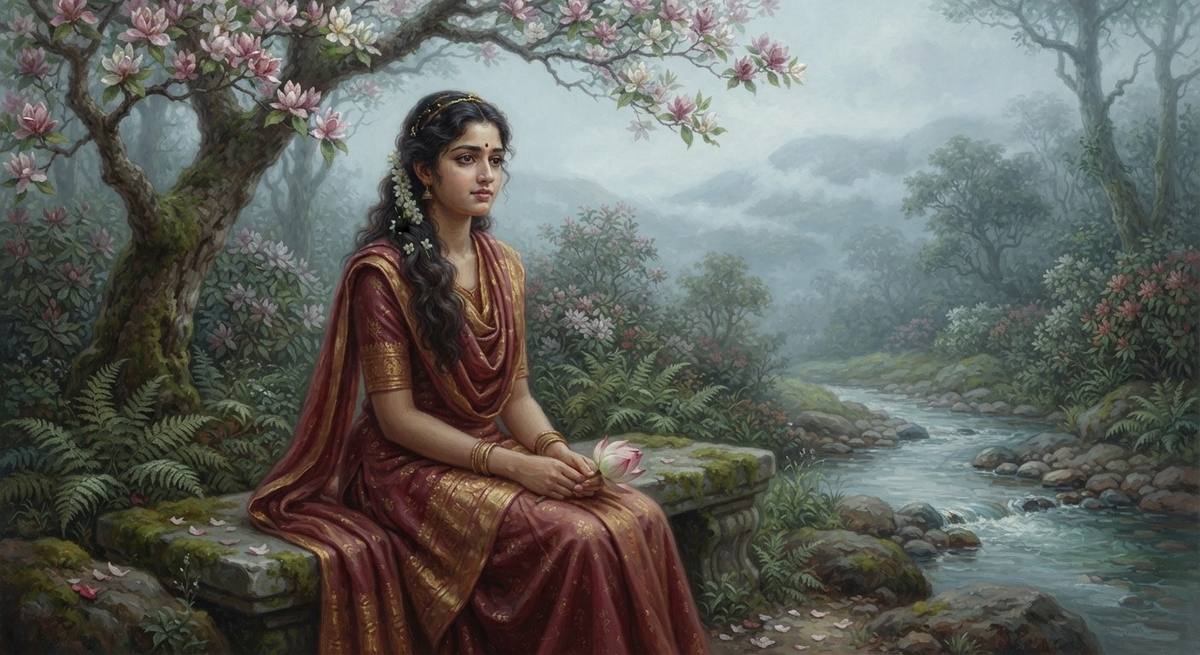
🗣️ In folkloreSita Eliya near Nuwara Eliya is believed to be the Ashoka grove of the Ramayana. Hakgala garden is said to be the garden Ravana made for Sita.
🏺 Evidence existsThe Sita Amman temple was built in the 19th century by the Tamil people of the plantations. Today pilgrims come from all over the world.
Divurumpola
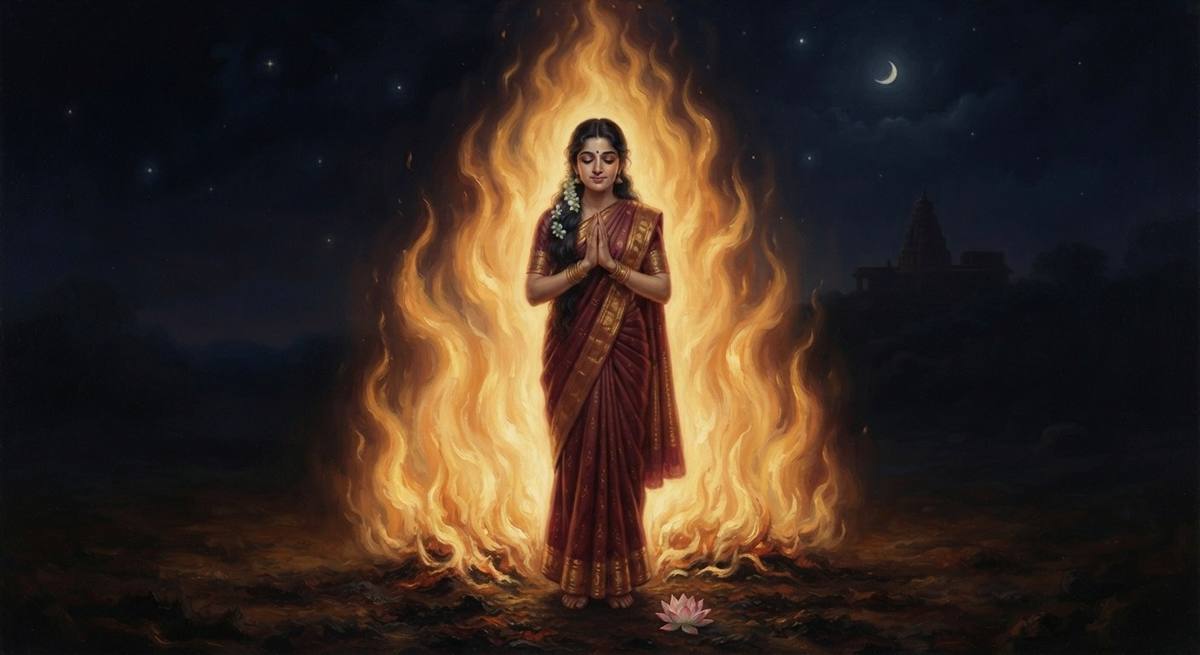
🗣️ In folkloreThis is believed to be where Sita faced the trial by fire. The name itself means “place of oath”.
🏺 Evidence existsIt is a Buddhist temple near Welimada. Today Hindu devotees come here too — a beautiful example of faiths living side by side in Sri Lanka.
Koneswaram
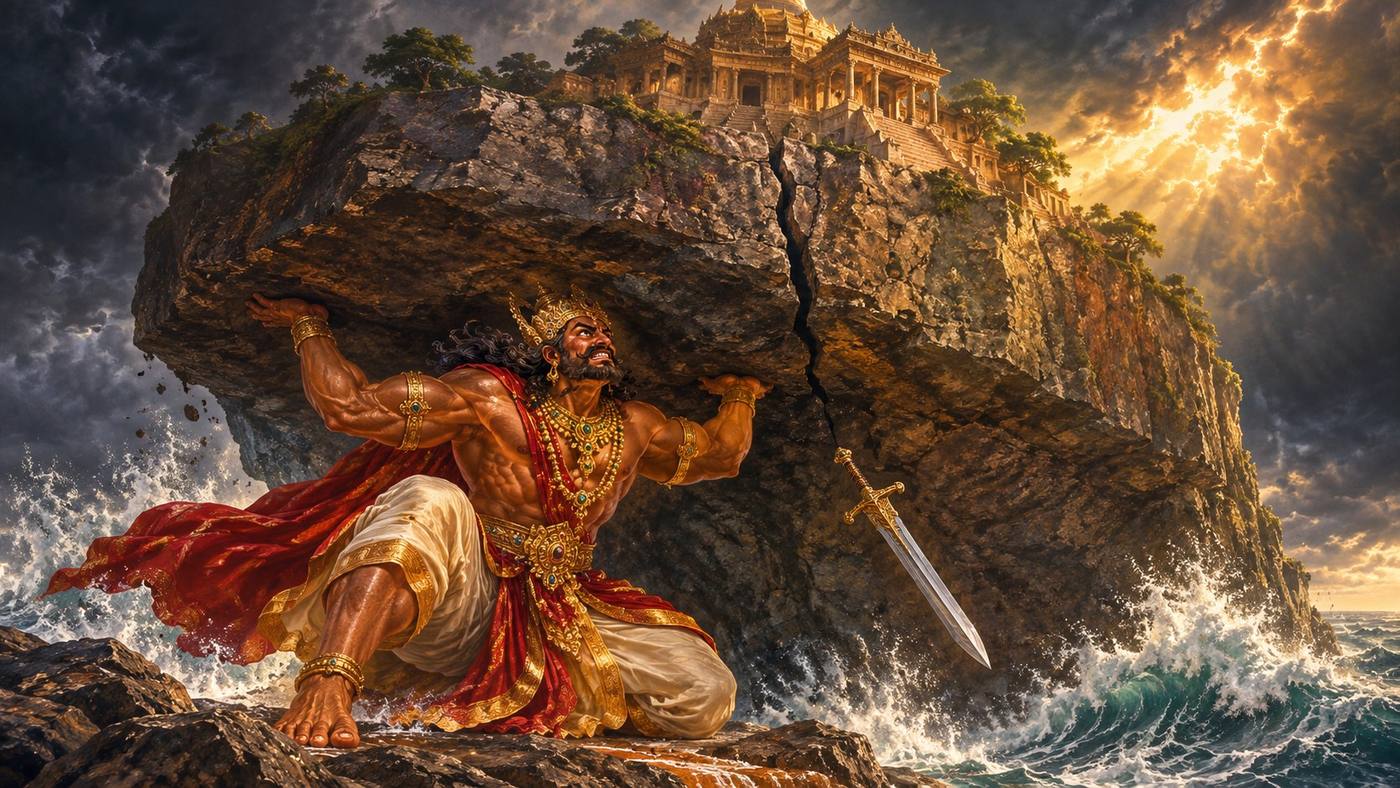
🗣️ In folkloreWhen his mother fell ill, Ravana tried to lift the temple, rock and all, to take it to her. Shiva made him drop his sword, and the rock split — the cleft is called “Ravana Vettu”. It shows Ravana at his most loving: a son devoted to his mother.
🏺 Evidence existsKoneswaram is an ancient Shiva temple mentioned in the 7th-century Tevaram hymns. In 1622 the Portuguese destroyed it and used its stones to build Fort Frederick.
On your next journey
When you visit one of these places, remember both the story and the history. Both are our heritage.